
Meditation - Inner Sanctuary
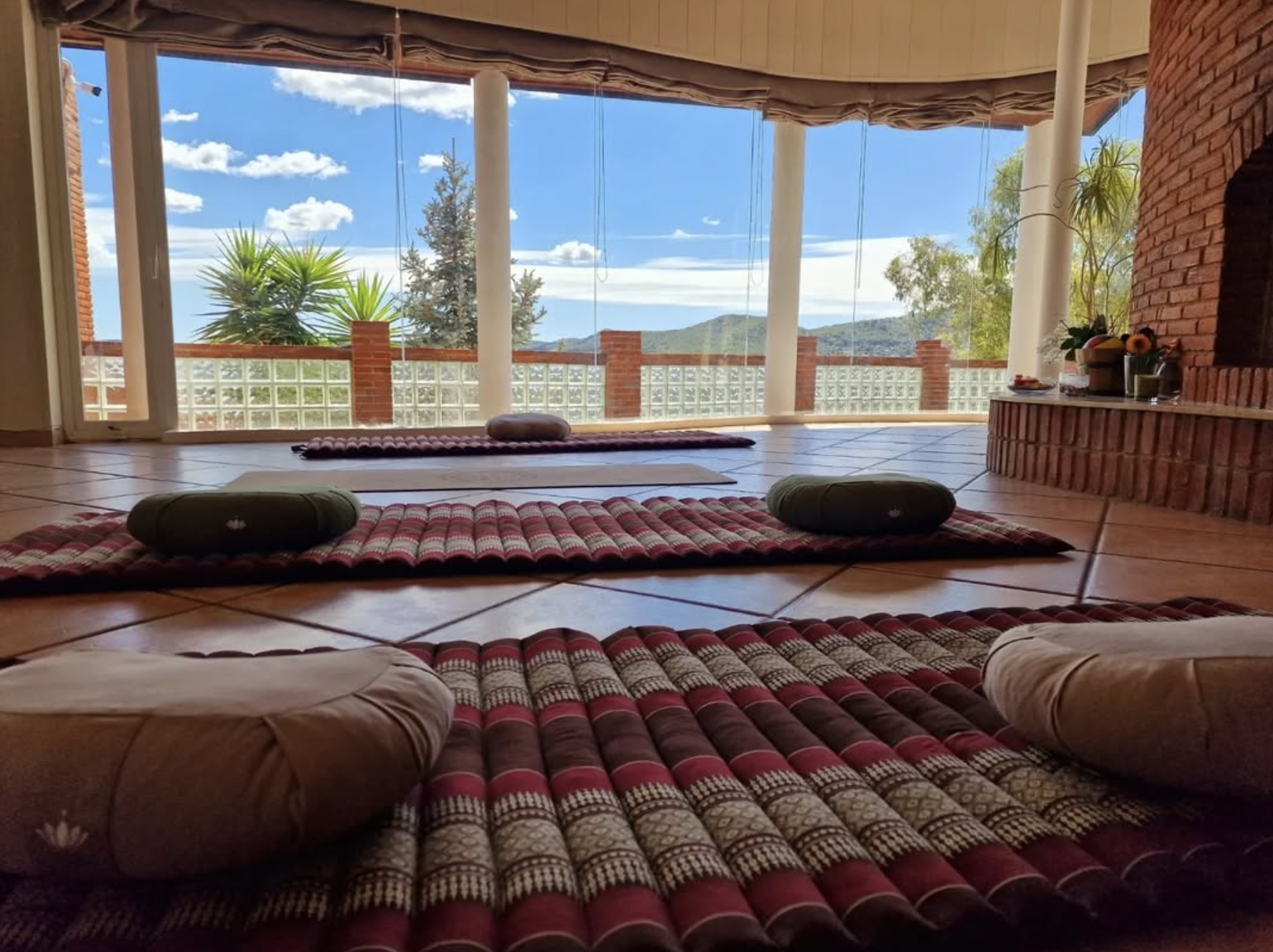
A meditation method designed for modern life
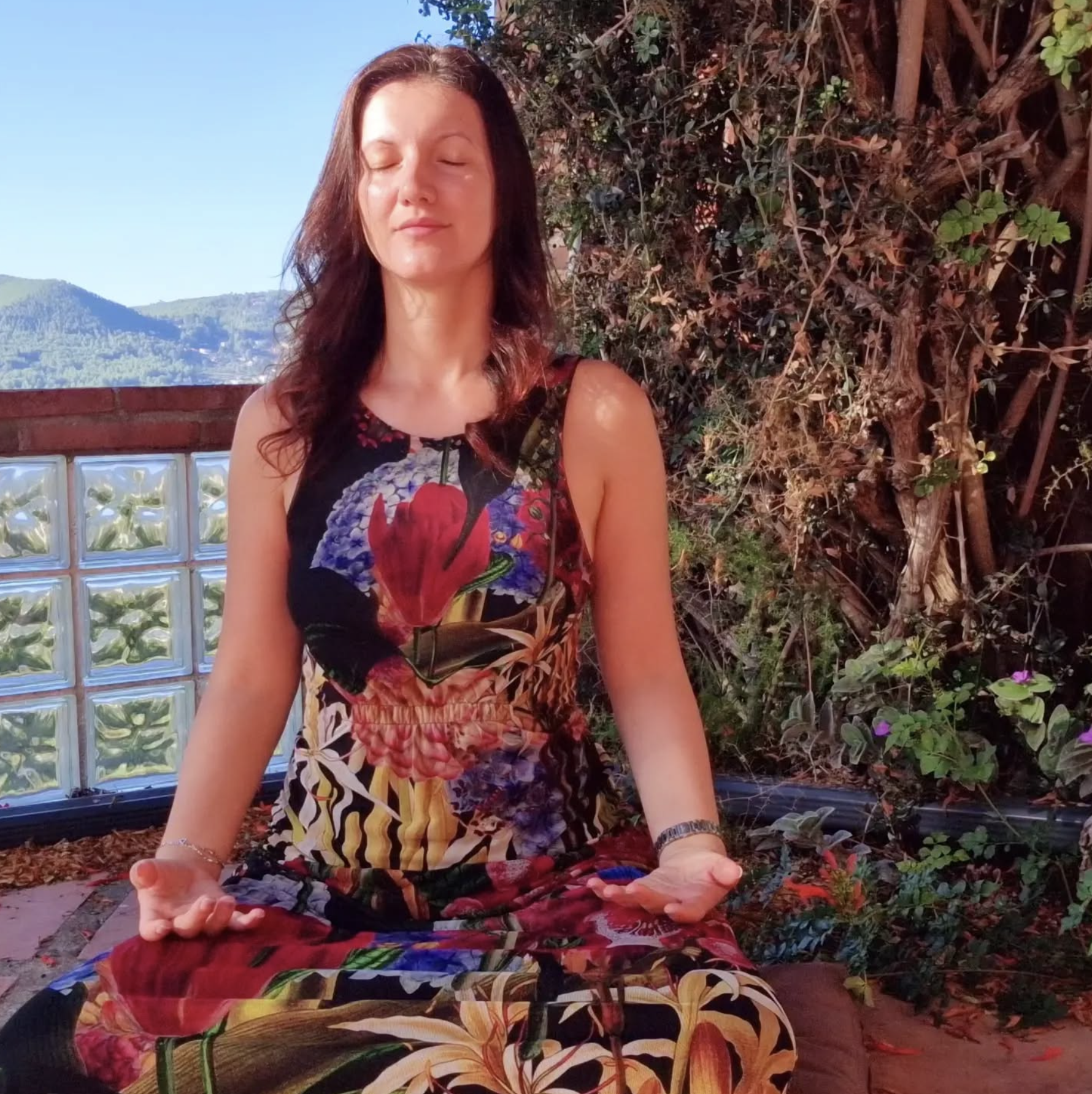
Inner Sanctuary is a meditation method created to meet the realities of contemporary living — fast minds, high responsibility, constant input, and nervous systems that rarely feel truly safe. While many meditation traditions were developed in temples, monasteries, or environments removed from daily demands, Inner Sanctuary was designed for people who meditate inside real life, not outside of it.
The method draws from ancient contemplative practices while integrating modern psychology, nervous system science, and an intentional use of imagination. Rather than asking the mind to empty or transcend, Inner Sanctuary works by creating a felt sense of internal safety — a stable inner space the body can recognize and return to. From this space, regulation happens naturally, without force or suppression.
Most people don’t struggle to meditate because they lack discipline — they struggle because their system does not feel safe enough to let go. Inner Sanctuary addresses this directly by using imagination as a bridge between the mind and the body, allowing the nervous system to settle before deeper states are invited.
Imagination is not used as escapism, but as a regulatory tool. By consciously building an inner safe space, the body receives clear signals of containment, permission, and coherence. This makes the practice accessible, efficient, and deeply grounding — even for those who find traditional meditation difficult or frustrating.
The method is adaptable, flexible, and designed to integrate into daily life. It does not require long sessions, special settings, or withdrawal from responsibility. Instead, it offers a reliable internal reference point that can be accessed repeatedly, supporting clarity and calm amid complexity.
From the inner sanctuary, guided meditations are then used for specific purposes — grounding, rest, emotional release, clarity, or renewal — always returning to the same internal reference point rather than starting from scratch.
Inner Sanctuary is the foundational layer of all Verda retreats. It is the first step because without internal safety, nothing integrates properly — not detox, not movement, not lifestyle change.
By restoring a sense of inner agreement, Inner Sanctuary allows the rest of the work at Verda to unfold with less effort and greater depth. It is not a technique to master, but a space to return to — again and again — as life continues to move.
Experience Inner Sanctuary at Verda Retreats
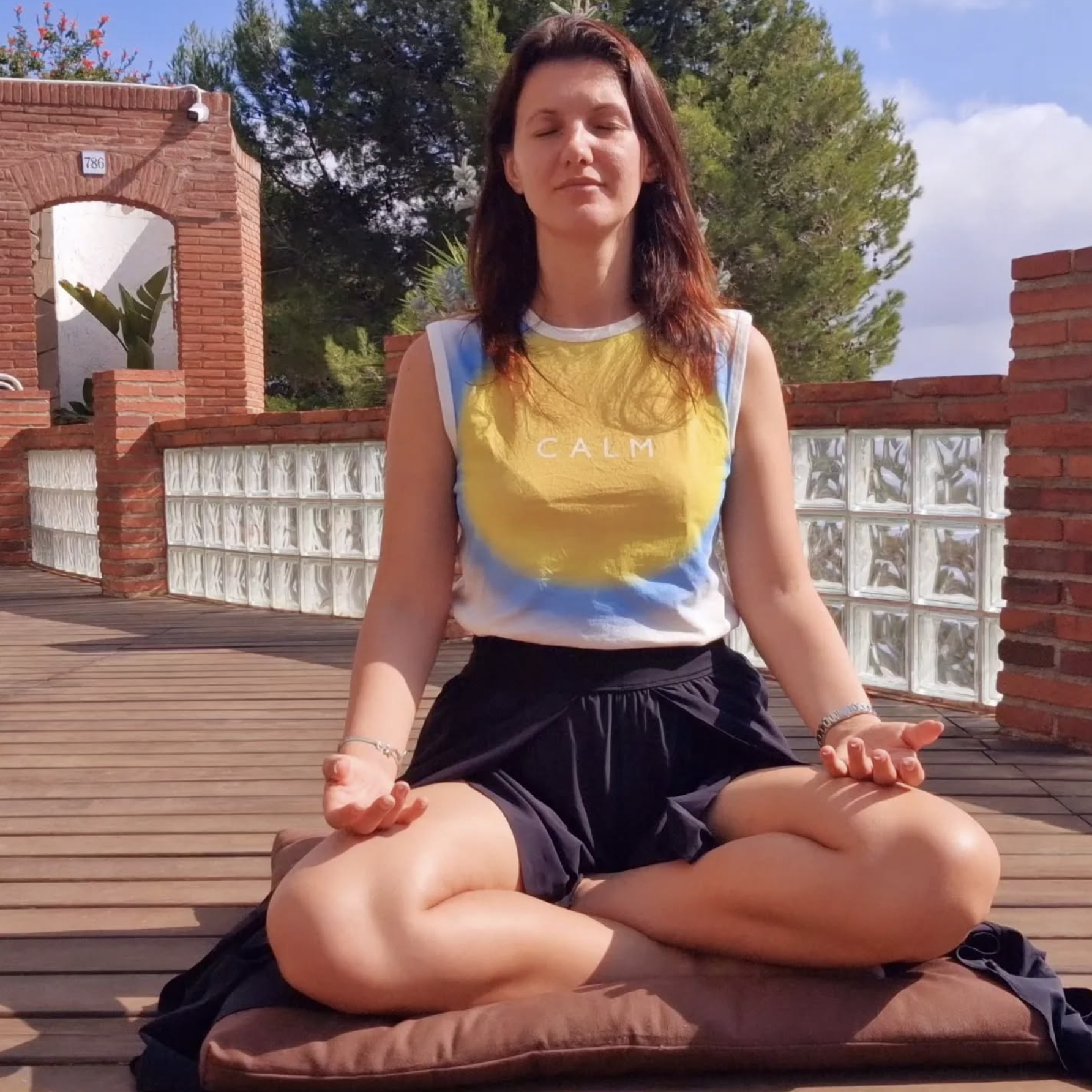
Inner Sanctuary is not only something you read or practice alone — it is meant to be experienced, guided, and embodied.
At Verda retreats, the method is introduced and practiced live, within an environment designed to support nervous system safety and integration. Sessions are guided in a way that allows each person to build and refine their own inner sanctuary, with space for repetition, personalization, and rest. Practicing the method in a held setting often allows the body to recognize safety more quickly, making the experience deeper and more intuitive.
Because Inner Sanctuary is the foundation of the Verda approach, it weaves naturally into daily retreat life — before movement, alongside detox, and during moments of rest. Guests often find that learning the method live helps them integrate it more easily at home, using it as a reliable internal reference point long after the retreat ends.
Practice With the Inner Sanctuary Book
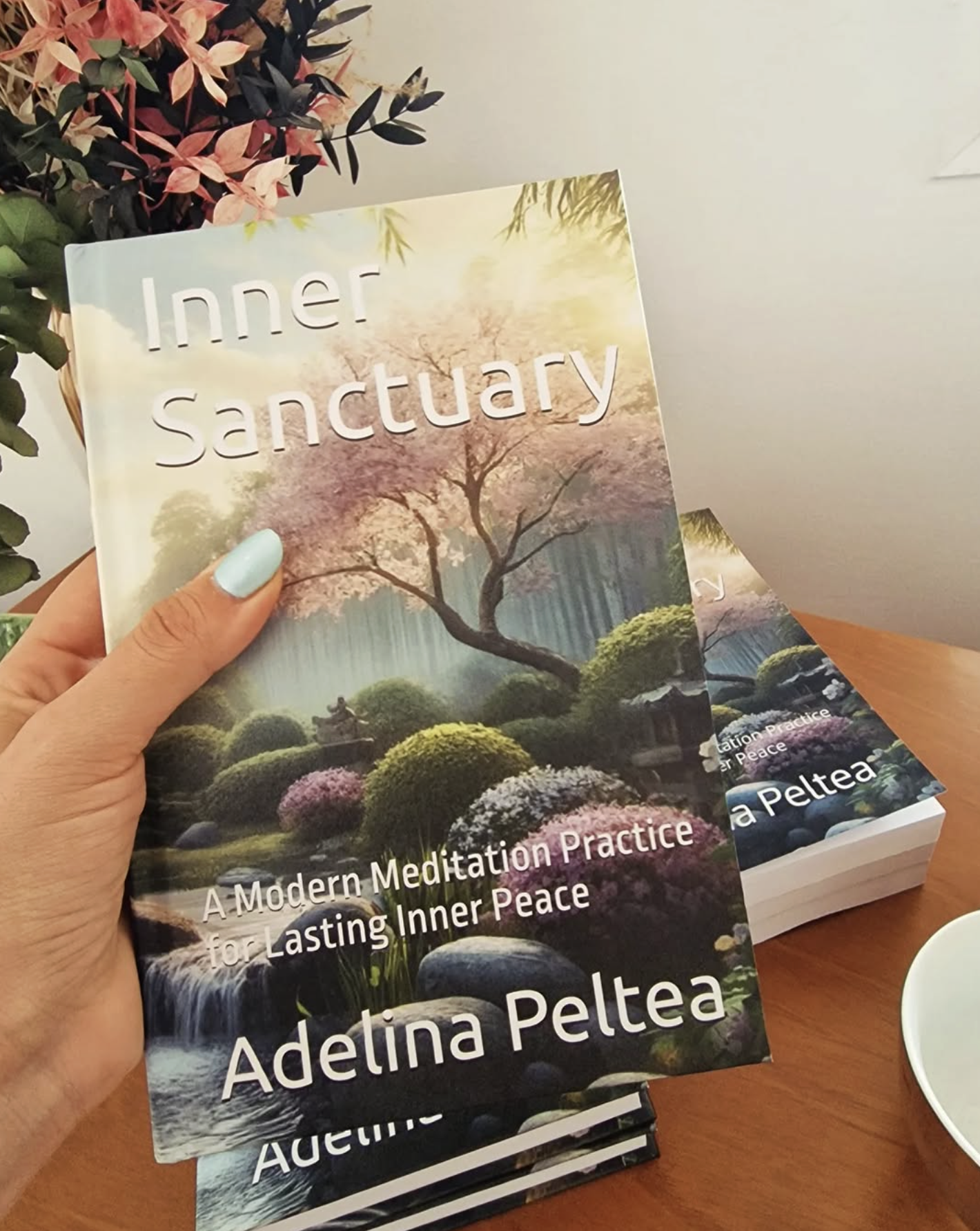
The Inner Sanctuary book allows you to learn and practice the method at your own pace, wherever you are.
Written as both an introduction and a companion, the book guides you step by step in creating your own inner safe space through imagination, clarity, and gentle repetition. From there, it offers a series of guided meditations designed for different needs — grounding, rest, emotional release, clarity, and renewal — all accessed from the same internal sanctuary.
The book is available on Amazon and can be used on its own or alongside the retreat experience. Many readers choose to begin with the book and later deepen their practice at Verda, while others use it as a way to continue the work after returning home.